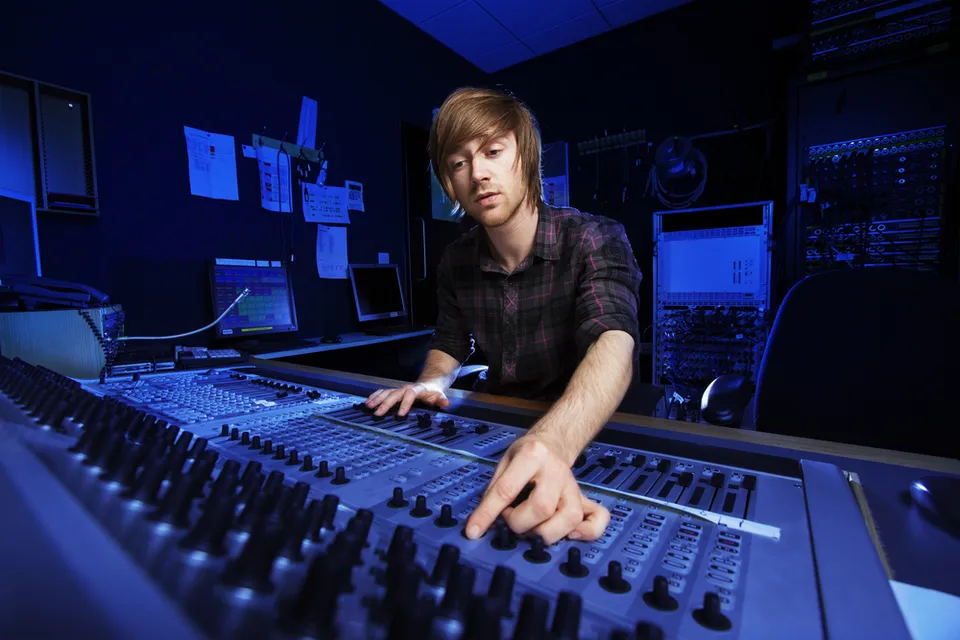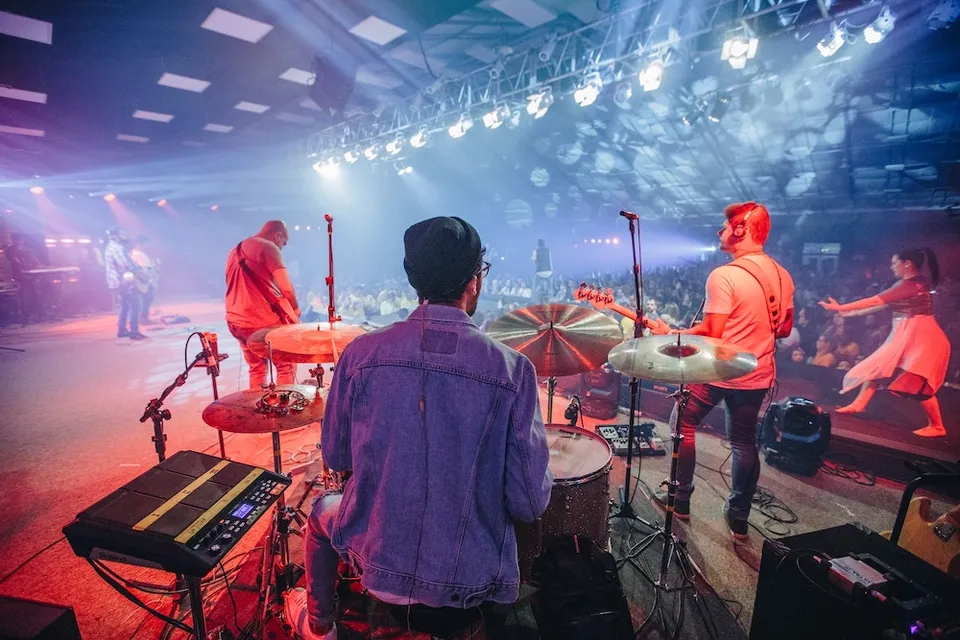
Colchester’s musical connections reach across alternative rock, pop and metal. Graham Coxon, Damon Albarn and Paul Allender offer different starting points for listening to rhythm, melody and arrangement. Their music can inspire your practice without setting a single model for how you should play.
Graham Coxon: guitar parts with character
Graham Coxon grew up in Colchester and became known as Blur’s guitarist, alongside his solo work. In his conversation with the Blank Podcast, he discusses his early musical influences and growing up in the area.
Choose a Blur recording you enjoy and listen to what the guitar contributes beyond the chords. Notice a short recurring figure, a change in texture or a moment when the part drops away. Try applying one of those ideas to a simple progression you already know.
Damon Albarn: listen beyond the guitar
Damon Albarn’s work with Blur and Gorillaz offers a broad range of sounds and arrangements. University Centre Colchester identifies him among the musicians from the area who studied at Colchester Institute.
Follow one layer of a recording at a time: the voice, bass, percussion or a repeating melody. Then listen to how those parts fit together. On guitar, a clear, steady part can make a strong contribution without filling every space.
Paul Allender: precision and rhythm
Paul Allender is another musician featured in Colchester’s musical story. Colin’s teaching biography records having taught him. Allender is known for his work with Cradle of Filth; this PRS interview from 2016 discusses his subsequent White Empress project.
For a guitarist interested in heavier music, listen to the precision of a repeated rhythm and the contrast between sustained and shorter notes. Practise a small pattern slowly enough to keep your movements relaxed and your timing even, before increasing the tempo.
Make listening part of your practice
Write down a track and the moment that caught your attention. Decide whether it was the sound, rhythm, melody or the way the instruments worked together. A short passage can give you a useful lesson question without needing to learn the entire recording.
Explore rock, classical and folk guitar lessons, browse Colchester live music venues or ask Colin about working on music you enjoy.
Three different ways to listen
The musicians in this guide are useful starting points because they invite different listening questions. With Coxon, focus on how a guitar part changes a song’s character. With Albarn, listen to melody and the arrangement around it. With Allender, pay attention to the consistency and articulation of a repeated guitar figure. These are listening exercises, not claims that any artist uses only one technique or belongs to a single style.
Pick a recording you enjoy and listen once without playing. On the next pass, follow just the guitar or another clearly audible part. Notice when it starts, when it stops and whether it repeats exactly. Sketch the song’s sections in ordinary words—intro, verse, chorus, instrumental passage and ending—without worrying about technical labels you have not learned yet.
Then take one small idea to the instrument. You might play the same chord with two different rhythms, leave a deliberate gap between phrases or change the volume of a repeated pattern. Use chords and notes you already know so the exercise is about listening and control. You can borrow a musical principle without needing to reproduce a whole recording or buy the artist’s equipment.
Turn inspiration into a realistic lesson goal
Bring Colin the track name and a timestamp for the moment you want to understand. Explain whether the attraction is the rhythm, sound, chord movement or melody. That gives a more useful starting point than simply asking to play like a famous musician. The full part may be beyond your current level, but a simpler version can still introduce the central musical idea.
Separate the guitar part from the finished recording. Several layers, studio effects or other instruments may contribute to the sound you hear. Start by finding a clear rhythm and a comfortable way to play the notes. Record a short practice attempt, listen back and choose one thing to improve on the next attempt.
These local connections are also an invitation to explore music being made around you now. The Colchester venue guide offers places to look for live performances, while the studio guide explains how to prepare when you are ready to make music with others. None of the artists mentioned here is presented as endorsing this website or these lessons.
Guide reviewed 31 October 2026. Artist background sources are linked in the text; listening exercises are editorial suggestions.